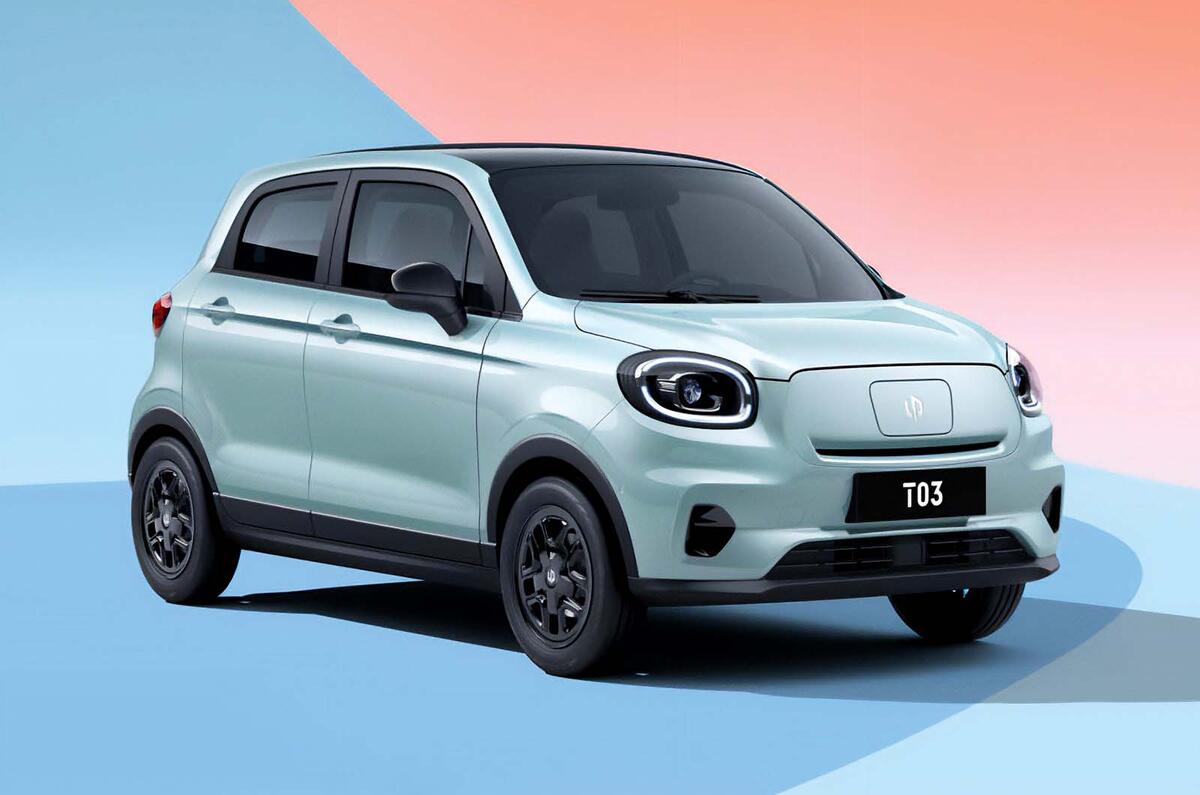
Stellantis Leapmotor EV tech could soon play a bigger role in Europe’s mass-market electric vehicle segment. The automaker is reportedly considering using electric vehicle technology from its Chinese partner Leapmotor to reduce production costs for brands such as Fiat, Peugeot, and Opel.
The move signals how Stellantis Leapmotor EV tech collaboration may reshape the company’s strategy as it seeks more affordable EV solutions across its European lineup.
Why Stellantis Leapmotor EV Tech Matters
Stellantis has been navigating a challenging EV transition in Europe. Rising development costs and slower-than-expected demand have pressured margins across mass-market brands.
By leveraging Stellantis Leapmotor EV tech, the company could accelerate development timelines while cutting platform and battery costs. Leapmotor already produces competitively priced EVs for the Chinese market, and its technology could offer Stellantis a more cost-efficient alternative for entry-level electric models.
Stellantis currently distributes Leapmotor vehicles, including the C10 SUV, through its European dealer network. Expanding the partnership into shared platforms would deepen industrial cooperation.
Cost Pressures Drive Strategic Shift
European automakers face tightening emissions regulations and intense price competition from Chinese EV brands. Mass-market models from Fiat, Opel, and Peugeot must remain affordable while meeting regulatory targets.
Adopting Stellantis Leapmotor EV tech could help reduce research and development expenses. Shared architectures and battery systems would allow the company to streamline manufacturing and shorten product cycles.
Industry analysts note that partnerships with Chinese EV specialists are becoming more common as Western automakers search for faster and cheaper electrification paths.
Impact on Fiat, Peugeot, and Opel
If implemented, Stellantis Leapmotor EV tech could influence upcoming models under Fiat, Peugeot, and Opel. These brands focus heavily on compact and urban vehicles, segments where price sensitivity is high.
Lower-cost EV platforms may enable Stellantis to compete more aggressively with Chinese imports already gaining traction in Europe.
However, any shift would require careful brand positioning to ensure European consumers maintain confidence in product quality and safety standards.
Broader Industry Context
The potential use of Stellantis EV tech reflects broader restructuring within the automotive sector. Several automakers are reevaluating their EV strategies after heavy investment cycles produced mixed financial results.
Cost efficiency, scalable platforms, and supplier integration have become central themes across the industry. As competition intensifies, companies are increasingly willing to collaborate across borders.
Stellantis’ consideration of deeper technology sharing with Leapmotor highlights the growing influence of Chinese EV innovation in global markets.
While no final decision has been announced, Stellantis Leapmotor EV integration could mark a significant turning point in the company’s European EV strategy.
If the collaboration expands beyond distribution into core vehicle architecture, Stellantis may gain a competitive edge in delivering affordable electric cars to European consumers.
The move would underscore how global partnerships are shaping the next phase of electric mobility.